
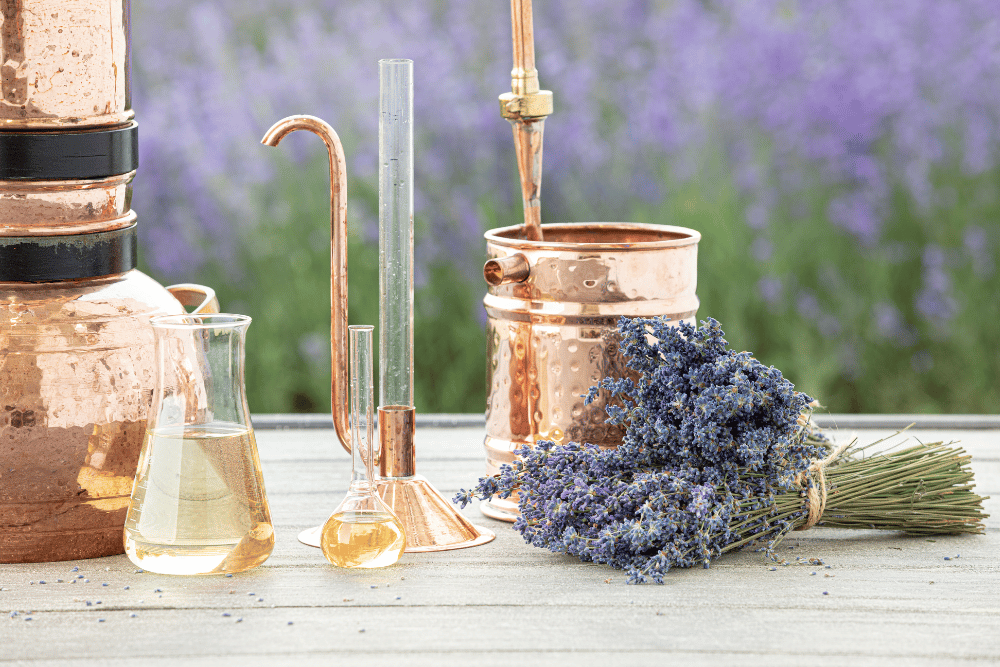
Herbal remedies have been trusted for centuries across South Africa and the world. But the way herbs are processed and extracted can make a huge difference to their potency, safety, and overall effectiveness.
If you’ve ever wondered why some herbal products work better—or why some are safer than others—the answer often lies in the extraction method.
What is Herbal Extraction?
Extraction is the process of pulling active compounds from plants so they can be used in teas, tinctures, capsules, or supplements. These active compounds are what give herbs their health benefits.
Different methods can affect:
- How much of the beneficial compound is extracted
- Whether harmful substances are removed
- The final product’s consistency, strength, and safety
Common Herbal Extraction Methods
- Traditional Infusion or Decoction
- Method: Boiling or steeping herbs in water.
- Pros: Safe, simple, part of South African traditional medicine.
- Cons: Some active compounds are lost with heat or water-only extraction.
- Alcohol Extraction (Tinctures)
- Method: Herbs soaked in alcohol solutions.
- Pros: Good at extracting both water- and alcohol-soluble compounds.
- Cons: Not suitable for everyone (alcohol sensitivity).
- Cold Pressing
- Method: Common for oils (like aloe or essential oils).
- Pros: Preserves delicate compounds.
- Cons: Yield is often smaller.
- Advanced Techniques (Modern Lab Methods)
- Supercritical Fluid Extraction (SFE): Uses CO₂ to extract compounds with high precision.
- Microwave/Ultrasound Extraction: Faster, uses less solvent, more sustainable.
- Pros: Higher potency, more consistent results, safer for the environment.
- Cons: Requires specialized equipment—mainly used by professional manufacturers.
Why Extraction Affects Potency
The same plant can produce very different results depending on how it’s processed:
- Under-extracted: May not deliver enough of the active compound to be effective.
- Over-extracted: Can include unwanted or harmful substances.
- Standardized extracts: Ensure the same amount of active compound in every batch, which means you get consistent results.
The Safety Factor
Poorly managed extraction can lead to contamination with heavy metals, pesticides, or microbes. This is why reputable manufacturers use Good Manufacturing Practices (GMP) and conduct lab testing to ensure safety and purity.
When products are tested and standardized, you can trust that you’re getting the right dose without hidden risks.
What Consumers Should Look For
When buying herbal products in South Africa, keep an eye out for:
- Brands that explain their extraction methods
- Products labeled as standardized extracts
- Evidence of lab testing or certificates of analysis
- Companies that combine traditional methods with modern safety standards
Tradition Meets Technology
Herbal medicine in South Africa has always relied on natural preparations like teas and infusions. Today, science is enhancing these traditions with advanced extraction methods that preserve potency and improve safety.
By combining the wisdom of the past with the precision of modern science, herbal products can deliver powerful, consistent, and trustworthy results.
Final Thoughts
Not all herbal products are created equal—and much of the difference lies in the extraction process. Choosing brands that prioritize safety, sustainability, and proper extraction ensures that you receive the true benefits of nature—without the risks.
At our company, we take extraction seriously. Every product is carefully sourced, tested, and processed to deliver natural remedies you can trust.